
It’s the final chapter of this blog series, and WOW – it’s been a journey. Diving into the world of advertising, from ethics to creativity, has reshaped the way I see the industry. So, let’s end on a high note: the future.
How Will AI and VR Change the Future of Advertising?
Let’s start with the game changers; AI and VR are transforming how brands connect with consumers by prioritizing immersion and personalization. For example, let’s take a look at the travel industry. Imagine scrolling through a travel site, curious about hiking Patagonia, and a VR ad lets you “teleport” to a mountain trail. You can hear the crunch of gravel under your boots and feel the mist of a nearby waterfall. This isn’t science fiction; in fact, brands like Expedia and The North Face are already dabbling in this space. VR allows people to test-drive experiences before they book, removing travel uncertainty and building excitement.
AI enhances this further by predicting your next adventure. Google Flights already tells you when airfare will rise, but imagine AI going deeper by analyzing your search history, past trips, and even mood to suggest your next destination. A little unsettling? Maybe. But it’s undeniably powerful.
Privacy in the Future: How Will Brands Get to Know You?
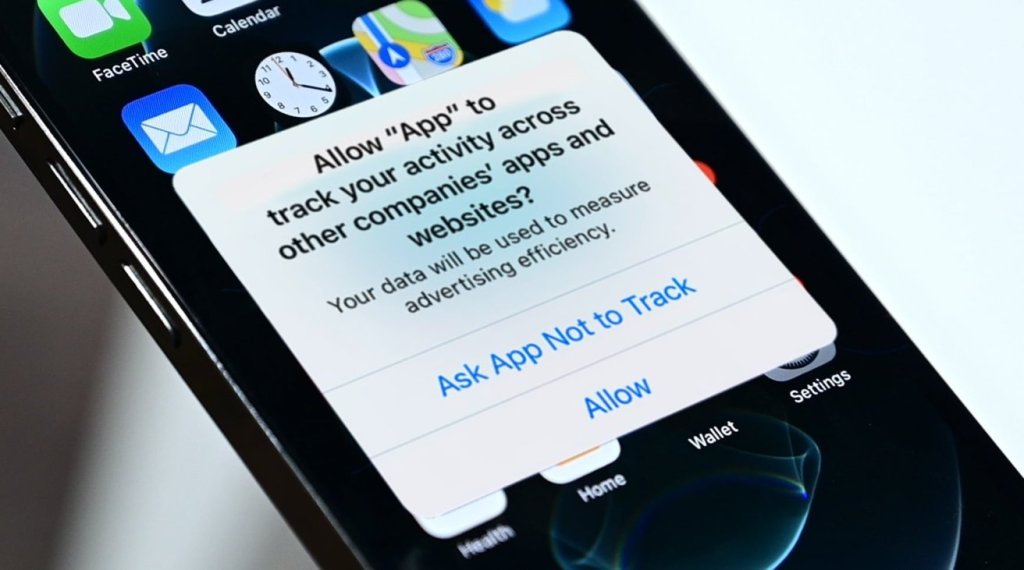
As technology evolves, so does the debate over data collection. Brands are getting smarter, but so are consumers, and trust will be non-negotiable. Take Apple’s App Tracking Transparency initiative. It’s forced advertisers to rethink how they collect and use data. Moving forward, the best brands won’t just rely on tracking pixels; they’ll earn consumer data through trust. This could mean more opt-in surveys, gamified ads, or exclusive content in exchange for information. But here’s where I get wary. In industries like travel and fashion, personalization is incredible, but where does it cross a line? Knowing what I want before I do is convenient, but I still want to feel in control of my data. The brands that succeed will be the ones that can achieve this crucial balance.
AI-driven Emotional Ads
A recent innovation I’ve discovered is the concept of emotional AI in advertising, which is both fascinating and extremely unsettling. Imagine watching a travel ad on your phone, and the camera detects your smile. The ad dynamically changes to showcase a beachside villa, complete with palm trees swaying and waves crashing – exactly the kind of vibe that matches your mood. On the other hand, let’s say you look stressed or uncertain, the ad might show you an adventurous hiking trip to recharge your spirit.
This technology uses facial recognition and sentiment analysis to gauge emotions. Tools like Affectiva and Microsoft Azure’s Emotion API already enable brands to measure user response to ads, creating opportunities for hyper-personalized marketing. These systems can read microexpressions, body language, and even vocal tones to adjust content in real time. It’s brilliant stuff, read more about it if you’d like!
- AI-Driven Emotional Recognition in Digital Ads: A Novel Approach to Consumer Engagement
- Emotional AI In Advertising Can Reach Customers In The Right Mindset
- DAIVID Launches AI-Powered Solution That Predicts Attention, Emotions, Memory & Brand Impact of Ads
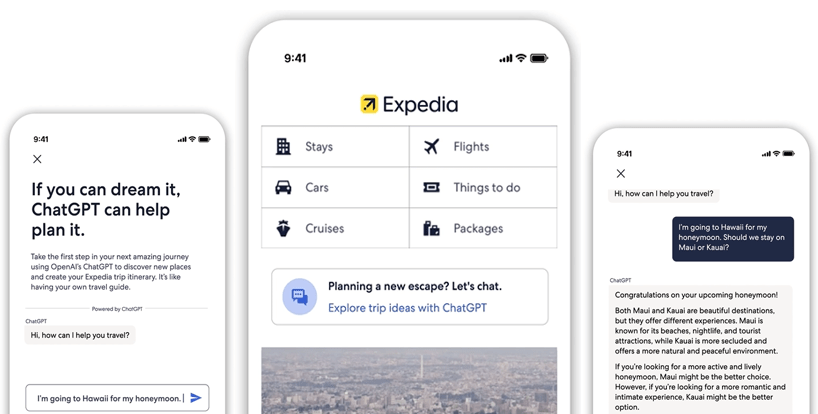
For travel, emotional AI could reshape booking platforms like Expedia or Kayak. Imagine exploring destination recommendations that shift based on your mood, such as wellness retreats when you seem tired or cultural tours if you appear curious.
In music, streaming platforms like Spotify could recommend playlists based on your current feelings, using emotional AI to analyze facial expressions, creating playlists that align with your emotions.
The Ethical Dilemma
While thrilling, this innovation poses challenges. How much emotional data is too much? Brands must tread carefully to avoid manipulating consumers or crossing privacy boundaries. For instance, will consumers have the option to opt out, or will this technology become an unavoidable norm? The responsibility lies with advertisers to ensure emotional AI is used ethically, respecting autonomy while enhancing experiences.
VR in Retail and Nature
On a similar wavelength, VR is stepping up as the future of retail and experiential marketing, offering consumers hands-on interaction without leaving their homes. For someone like me, who loves the outdoors and eco-conscious sustainable brands, the possibilities with this are endless.

So picture this: you’re shopping for hiking boots at Patagonia’s virtual store. You put on your VR headset and suddenly find yourself on a rugged mountain trail, testing how the boots handle rocky terrain and wet surfaces. The immersive experience can help you to make confident, informed purchases.
This technology doesn’t just enhance convenience – it also supports sustainability. VR eliminates the need for physical product samples and reduces returns, which are a significant source of waste in the fashion and outdoor gear industries. By “trying before buying” virtually, customers contribute to a more eco-friendly retail cycle.
Beyond retail, VR could bring nature closer to people who might not otherwise experience it. Imagine VR tours of protected parks or immersive hikes through the Amazon rainforest. These experiences could be paired with conversation campaigns, where proceeds go toward preserving the environments users explore virtually. The North Face, for instance, has already tested VR experiences that transport users to stunning locations, fostering deeper connections with the natural world while promoting gear sales.
Watch a video here!
Both of these innovations – AI-driven emotional ads and VR-powered retail – highlight how advertising is becoming more tailored and experiential. They promise to make brands more relatable and shopping more intuitive, but they also come with significant ethical considerations. The future of advertising will hinge on balancing these technological advancements with respect for consumer trust and privacy.
What’s Next for This Blog? What’s Next for Me?
For the blog, this is the finale, but the themes – AI, ethics, creativity – aren’t going anywhere. These ideas are not just trends; they’re the future of how brands connect with their audience.
For me? This journey has clarified that my passion lies at the intersection of creativity and strategy. Whether crafting VR campaigns for outdoor brands or debating ethics in AI-driven ads, I’m excited to apply these lessons as I build my career in marketing.
Here’s to a future of innovation, creativity, and connection—cheers to advertising alchemy.
References:
Emotional AI In Advertising Can Reach Customers In The Right Mindset. (2024, October 3). Forbes. Retrieved November 27, 2024, from https://www.forbes.com/sites/garydrenik/2024/10/03/emotional-ai-in-advertising-can-reach-customers-in-the-right-mindset/
ExchangeWire PressBox. (2024, October 29). DAIVID Launches AI-Powered Solution That Predicts Attention, Emotions, Memory & Brand Impact of Ads. ExchangeWire. Retrieved November 27, 2024, from https://www.exchangewire.com/blog/2024/10/29/daivid-launches-ai-powered-solution-that-predicts-attention-emotions-memory-brand-impact-of-ads/
Expedia’s new ChatGPT travel planning tool is a litmus test for the future of AI and humanity. (2023, April 4). GeekWire. Retrieved November 27, 2024, from https://www.geekwire.com/2023/expedias-new-chatgpt-travel-planning-tool-is-a-litmus-test-for-the-future-of-ai-and-humanity/
Explore Mont Blanc With The North Face’s All-New Immersive Experience. (2021, September 24). HypeBeast. Retrieved November 24, 2024, from https://hypebeast.com/2021/9/the-north-face-vectiv-power-further-vr-360-info
The Future of Shopping in VR: A Paradigm Shift in Retail Experience. (n.d.). SynergyXR. Retrieved November 27, 2024, from https://synergyxr.com/resources/learn/blogs/the-future-of-shopping-in-vr/#:~:text=The%20immersive%20nature%20of%20VR,provide%20an%20authentic%20shopping%20experience.
Gupta, T., & Bansal, S. (2023, September). AI-Driven Emotional Recognition in Digital Ads: A Novel Approach to Consumer Engagement. ResearchGate. Retrieved November 27, 2024, from https://www.researchgate.net/publication/378530931_AI-Driven_Emotional_Recognition_in_Digital_Ads_A_Novel_Approach_to_Consumer_Engagement
Morrison, S. (2022, April 29). The winners and losers of Apple’s anti-tracking feature. Vox. Retrieved November 27, 2024, from https://www.vox.com/recode/23045136/apple-app-tracking-transparency-privacy-ads
The North Face Introduces Innovative VR And 360 Experience. (2021, August 25). Snow Industry News. Retrieved November 27, 2024, from https://www.snowindustrynews.com/articles/2021/august/the-north-face-introduces-innovative-vr-and-360-experience/
Sustainable VR: Eco-friendly Innovations in Virtual Reality. (2023, September 29). Mersus. Retrieved November 24, 2024, from https://mersus.io/sustainability-in-vr-eco-friendly-innovations-in-virtual-reality/#:~:text=VR%20training%20eliminates%20the%20imperative,effort%20to%20mitigate%20climate%20change.
Travelers React to AI-Generated Travel Ads. (2023, July 13). Future Partners. Retrieved November 24, 2024, from https://futurepartners.com/blog/travelers-react-to-ai-generated-travel-ads
Unleashing the Power of AI in Travel Marketing: Strategies & Insights. (n.d.). Traktek Partners. Retrieved November 24, 2024, from https://www.traktekpartners.com/post/unleashing-the-power-of-ai-in-travel-marketing-strategies-insights#:~:text=One%20of%20the%20most%20prominent,tailor%20recommendations%20to%20individual%20travelers.
What is App Tracking Transparency (ATT)? (n.d.). Adjust. Retrieved November 24, 2024, from https://www.adjust.com/glossary/app-tracking-transparency/
· · ─ ·☽𖤓☾· ─ · ·
Thank you for following along!
Adie
 Adie’s Advertising Alchemy
Leave a comment