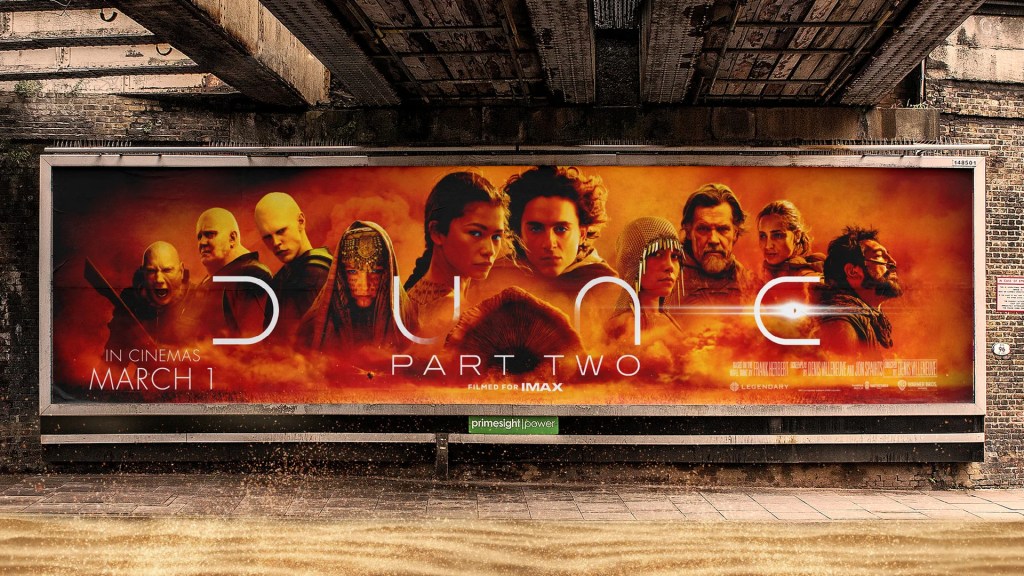
Picture this: the ethereal desert landscape of Dune, with its golden dunes and futuristic cityscapes, seamlessly wrapped around double-decker buses weaving through the bustling streets of London. Massive, magical posters dominate subway stations, immersing commuters in the film’s expansive universe before they’ve even seen a trailer. Times Square becomes a portal to Arrakis as billboards light up with the iconic sandworm and Timothee Chalamet’s Paul Atreides staring pensively into the distance. These visuals do more than advertise – they transport. Without a single word spoken, the Dune campaign builds intrigue, whispering of an epic saga waiting to be discovered.
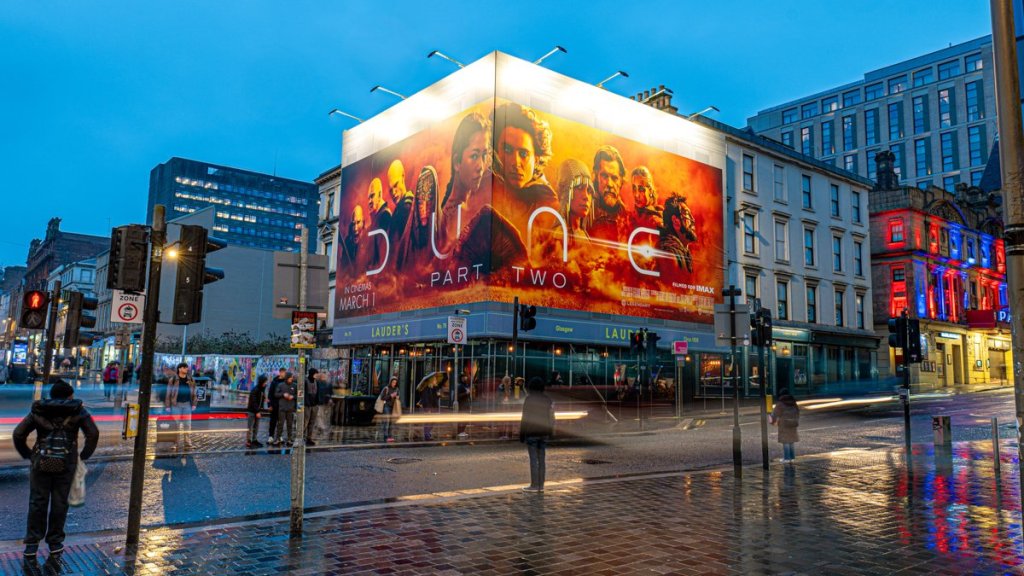
In a digital-first world where film trailers flood social media feeds and streaming ads can be skipped, out-of-home (OOH) media offers something unique: a tangible, immersive experience. It’s impossible to scroll past a bus you’re riding or a billboard that stops you in your tracks. For consumers, these larger-than-life displays rekindle the magic of cinema, reminding us of the grandeur of a story made for the big screen. Unlike fleeting digital ads, OOH creates a lasting impression, building buzz that not only complements but elevates a digital campaign. For films like Dune, which rely on world-building OOH media is the perfect stage to captivate audiences long before the trailer takes over social media.
OOH’s Role in Creating Teasers and Anticipation
OOH media works as the first step in building a campaign narrative. Unlike a digital ad that might disappear with a click, billboards, and posters are persistent, eye-catching, and hard to ignore.
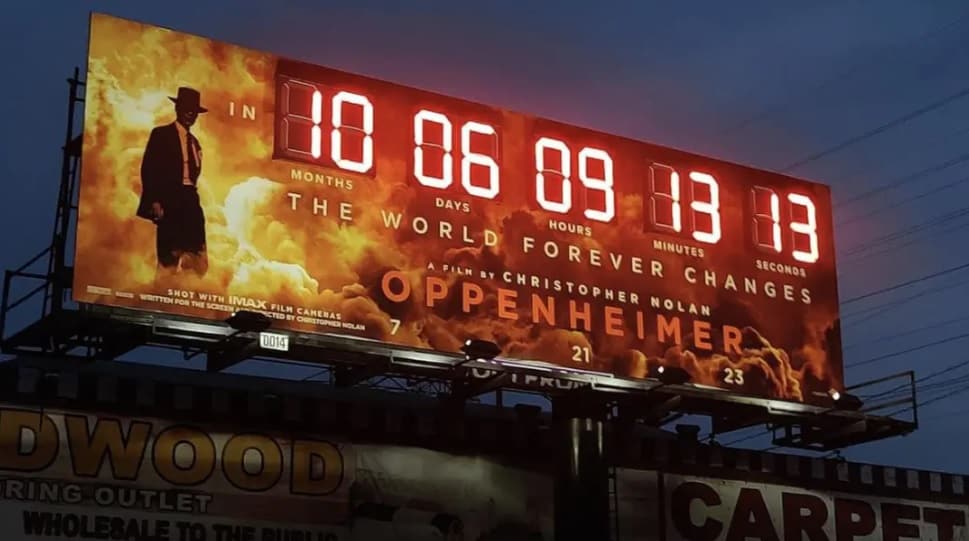
Some great examples include how Oppenheimer used minimalistic, haunting visuals in key urban locations, making audiences speculate about the film long before its trailer revealed the plot. Dune relied on futuristic imagery on bus wraps and subway posters to immerse viewers in its world early on. These OOH experiences tap into curiosity and exclusivity, something digital campaigns can often struggle with due to their fleeting nature.
Can OOH Be the Secret Weapon for All Film Genres?
In my opinion, not all films may benefit from OOH media – it’s effectiveness can depend on budget and genre. For blockbusters – absolutely. The scale of OOH matches the grandeur of films like Avengers or Barbie. For indie and niche films, it’s a little more ambiguous; while some might argue these don’t need OOH, small, creative campaigns (such as interactive posters or guerrilla marketing) can actually give them a fighting chance against Hollywood movie titans.
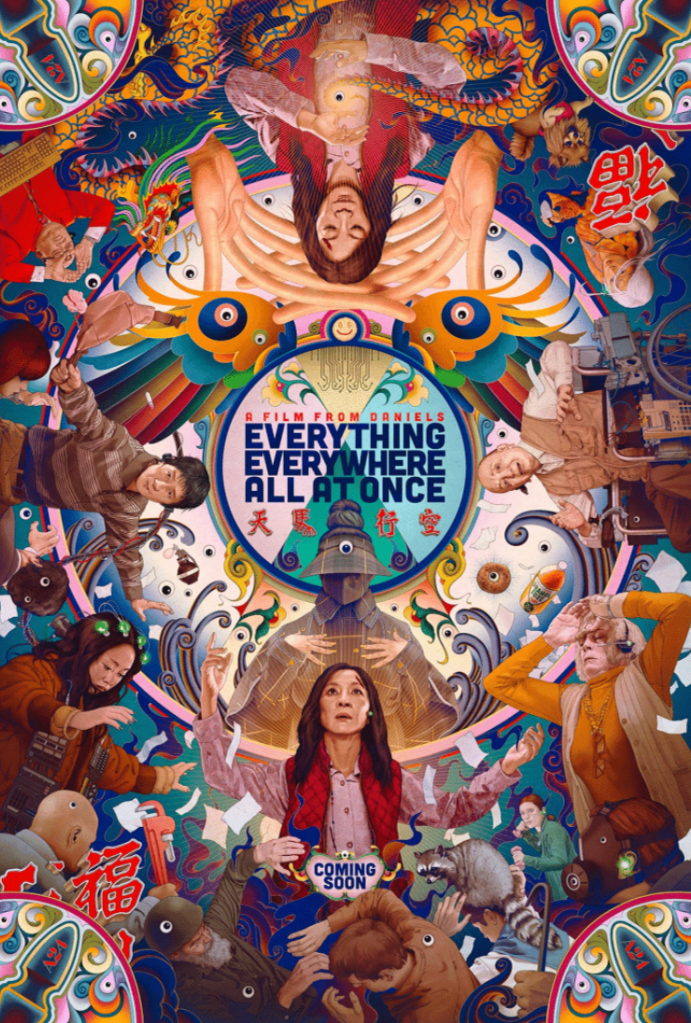
For example, the indie hit Everything Everywhere All at Once turned heads and sparked conversations, long before audiences filled theatres. The film’s OOH campaign leaned into its quirky, mind-bending aesthetic, featuring cryptic posters with phrases like “In another universe, this poster won an Oscar.” These unique designs, paired with surreal visuals, became conversation starters in urban areas, encouraging passersby to snap photos and share them on social media. The campaign captures the film’s essence: unconventional, intriguing, and unforgettable.
While OOH marketing offers a physical, impactful experience, it’s important to consider how smaller films can utilize these methods to compete with larger, blockbuster campaigns. For smaller films with tighter budgets, this strategy offers a unique opportunity. OOH provides indie films with a chance to gain significant visibility in high-traffic areas, without the need to outbid major blockbusters for costly digital ad spots on YouTube or streaming platforms. This allows smaller films to create buzz and stand out through physical presence, reaching a broad audience at a fraction of the cost. A cleverly designed poster in a high-traffic area can create just as much buss – if not more – than a traditional online campaign.
However, creativity alone isn’t enough. Indie filmmakers need to balance the cost of OOH placements with a measurable ROI. Does the intrigue sparked by a mysterious billboard translate into ticket sales or on-demand rentals? Without careful targeting and a clear strategy, even the most unique campaigns risk being forgotten once the posters come down.
The Future of OOH and Broadcast Media in Film Marketing
The shift toward streaming has made traditional film promotion through TV ads and radio spots seem outdated – but this might not be the full story. Broadcast media, when paired with OOH, can create a multi-layered strategy.
A great example is Top Gun: Maverick which relied heavily on nostalgia, tapping into the iconic appeal of the 1986 original to evoke emotional connections with older audiences. The powerful imagery of fighter jets, the iconic soundtrack, and Tom Cruise’s return were key elements designed to evoke feelings of familiarity and excitement. Meanwhile, billboards strategically targeting younger, digital-native audiences who may not have been alive when the film debuted. These billboards featured sleek, modern visuals and bold calls to action, appealing to their desire for fast-paced, high energy content. The combination of these strategies successfully bridged the gap between two very different generations, allowing the film to capture a broad, diverse audience.
Could this hybrid approach signal a new direction for advertising? As ad-blockers become more common and streaming services continue to cut down on traditional ad slots, Top Gun: Maverick’s model shows how OOH advertising could revitalize itself by complementing digital campaigns with physical, unskippable moments. Traditional media can offer experiences that digital ads cannot replicate, especially when combined with an engaging, shareable digital presence. This could be a strategic way for brands to ensure that they reach audiences across multiple touchpoints, blending the physical and digital worlds.
For consumers, this hybrid approach ensures that no audience is left behind. By offering both nostalgic, familiar content for older generations and fresh, exciting visuals for younger ones, brands can ensure they meet diverse audience needs. This results in a multi-layered experience where traditional media serves as a gateway that enhances digital engagement, ensuring the brand’s presence is both omnipresent and immersive. For companies, it’s an opportunity to build a more cohesive narrative that stretches across both physical and digital spaces, helping reinforce messaging and create stronger connections with different audience segments.
OOH Campaigns: Who Did It Best?
Now that we’ve explored some standout examples of OOH advertising in the film industry, it’s time for you to weigh in! Which film do you think executed the most memorable OOH campaign?
Final Thoughts
OOH media remains an essential part of IMC campaigns for films, offering something digital alone cannot – tangible, persistent, and larger-than-life storytelling. OOH may not replace digital, but it’s a powerful complement that elevates campaigns from good to unforgettable. It’s time for marketers to stop seeing OOH as an optional extra and embrace it as a secret weapon.
Take a moment to reflect on the impact of OOH advertising in the film industry. What is the most memorable OOH film campaign you’ve encountered? Was it a larger-than-life billboard that grabbed your attention, or a clever design that sparked curiosity? As we see indie films growing in popularity, do you think they should rely more on OOH to level the playing field with blockbusters? Could this form of traditional advertising offer them a chance to compete in a space typically dominated by big-budget films? Feel free to leave a comment below!
References
Burrick, D. (2024, August 14). Let’s Go to the Movies: How OOH drives real-world success at the box office. Billboard Insider. Retrieved November 16, 2024, from https://billboardinsider.com/lets-go-to-the-movies-how-ooh-drives-real-world-success-at-the-box-office/
Daou, J. (2021, February 25). And The Award Goes to…OOH Advertising! Why OOH is a Star Performer for Advertising Film and Series –. Movia Media. Retrieved November 16, 2024, from https://movia.media/moving-billboard-blog/and-the-award-goes-to-ooh-advertising-why-ooh-is-a-star-performer-for-advertising-film-and-series/
‘Dune: Part 2’ is going viral for a bizarre movie tie-in product. (2024, January 30). Euronews. Retrieved November 16, 2024, from https://www.euronews.com/culture/2024/01/30/dune-part-2-is-going-viral-for-a-bizarre-movie-tie-in-product
Dune Part Two: Exploring Billboard Advertising and DOOH Campaigns. (n.d.). bmOutdoor. Retrieved November 16, 2024, from https://ca.bmoutdoor.com/Dune-Part-Two-Advertising-Campaigns
The Epic Marketing Saga of Dune: Part Two | Brand Vision. (2024, June 25). Brand Vision Marketing. Retrieved November 16, 2024, from https://www.brandvm.com/post/marketing-of-dune-part-two
The New Era of Movie Marketing: The DOOH Advantage. (2023, July). Beeyond. Retrieved November 14, 2024, from https://www.beeyondmedia.com/post/new-era-of-movie-marketing-dooh-advantage
Paramount Pictures Announces Top Gun Sequel with OOH Advertising – Alchemy. (2022, June 29). Alchemy Media. Retrieved November 16, 2024, from https://alchemymedia.net/blog/paramount-pictures-announces-top-gun-sequel-with-ooh-advertising/
Polcari, M. (2023, March 20). How Everything Everywhere Actually Made The Oscars Wholesome – Weird Marketing Tales. Weird Marketing Tales. Retrieved November 17, 2024, from https://weirdmarketingtales.com/how-everything-everywhere-actually-made-the-oscars-wholesome/
· · ─ ·☽𖤓☾· ─ · ·
Thank you for reading and I’ll see you next week for another dose of advertising alchemy! -Adie
 Adie’s Advertising Alchemy
Leave a comment