
As a music and concert lover, this week’s content is one I’m super excited to dive into; the way PESO (Paid, Earned, Shared, and Owned media) has revolutionized music marketing become essential in music, shaping how artists connect with fans, build hype, and make an impression in a saturated market.
The Evolution of PESO in the Music Industry
When we talk about music marketing today, the PESO model is more relevant than ever. Originally designed as a framework for PR and communications, PESO has evolved into a foundational model for nearly every industry, including music (What Is the PESO Model for Marketing?, n.d.). Let’s dive into how PESO plays out across the music landscape and why it is so crucial, especially for emerging artists.
The PESO model breaks down media into four distinct categories:
- Paid Media: Directly purchased advertising or promoted content, like sponsored posts or ads on social media
- Earned Media: Free publicity gained from coverage by others, like media mentions, reviews, or playlist placements
- Shared Media: Content shared across social media platforms, encouraging interaction and community engagement
- Owned Media: Content that artists control directly, like their websites, email newsletters, or exclusive fan apps
With this structure in mind, let’s break down how each category plays out in the music industry!
Does PESO Matter for Small Business (or Emerging Artists)?
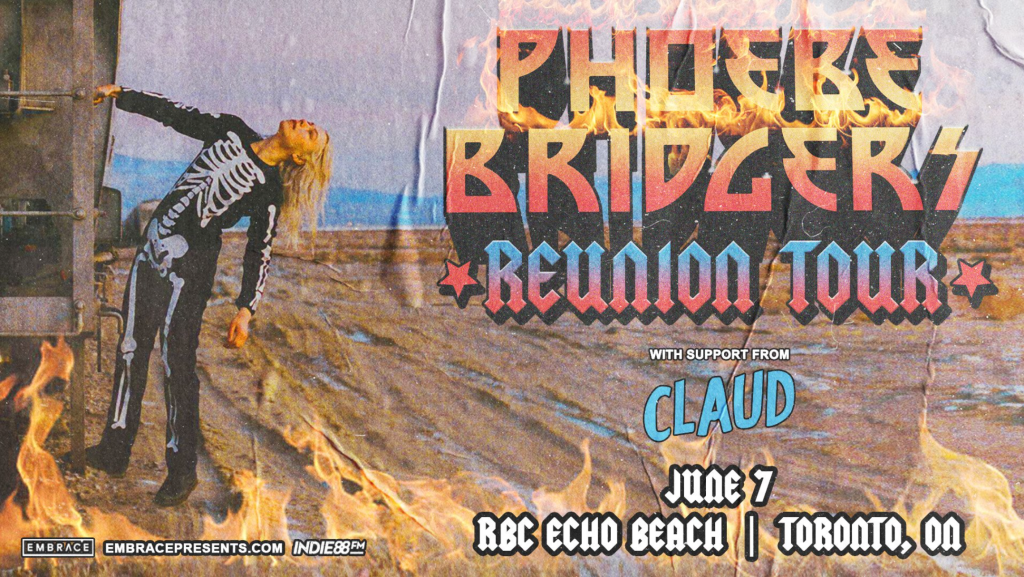
Absolutely! PESO offers emerging artists a flexible, scalable way to promote themselves without needing the hefty budgets typical of large record labels. Phoebe Bridgers is an excellent example of how paid media can elevate indie artists. During her Punisher album launch, her team used targeted ads on Instagram and Youtube to promote the album’s distinctive look and sound, emphasizing her unique, haunting visuals. These ads focused on Bridgers’ signature imagery – specifically her iconic skeleton suit – a strong visual that resonates with her fan base. This consistent branding in her ads helped create anticipation, even among new listeners, drawing attention to her unique style.
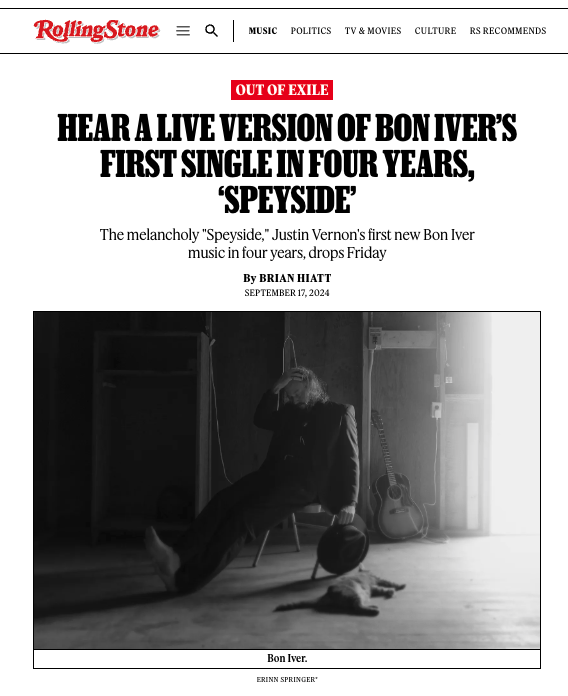
Bon Iver has relied on earned media since his early career, generating critical acclaim in influential music magazines like Rolling Stone and Pitchfork. His unconventional, atmospheric music made waves on these platforms, bringing in listeners who trust such sources for music recommendations. Additionally, Bon Iver’s inclusion in Spotify created playlists like Your Favourite Coffeehouse and Chill Hits further spread his music to audiences interested in indie and introspective sounds, without the need for paid placements.
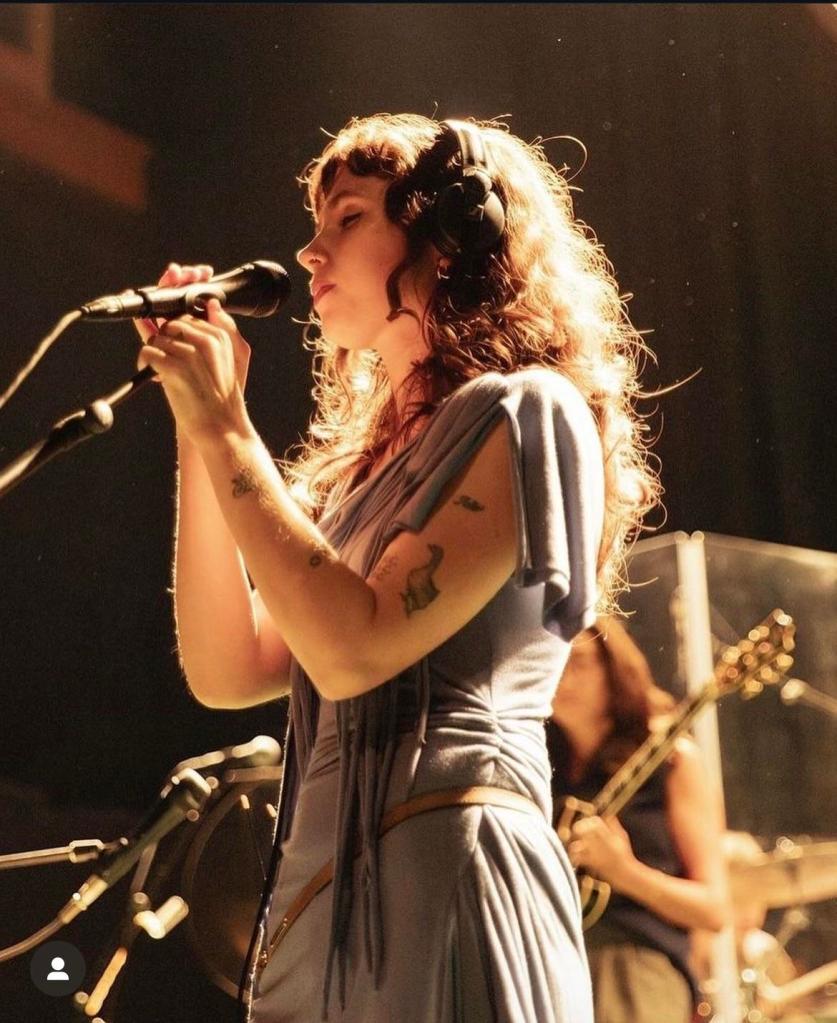
Clairo is an indie-pop artist who has tapped into shared media on TikTok by using snippets of her music in user-generated content challenges. For example, several of her songs became popular as part of a trend, prompting users to share their stories with the track in the background. This organic sharing of her music through fan-driven challenges brought Clairo’s music to new listeners without additional costs, amplifying her reach purely through shared media. In this way, her fans essentially become her marketers, showing the powerful impact of shared media in music.
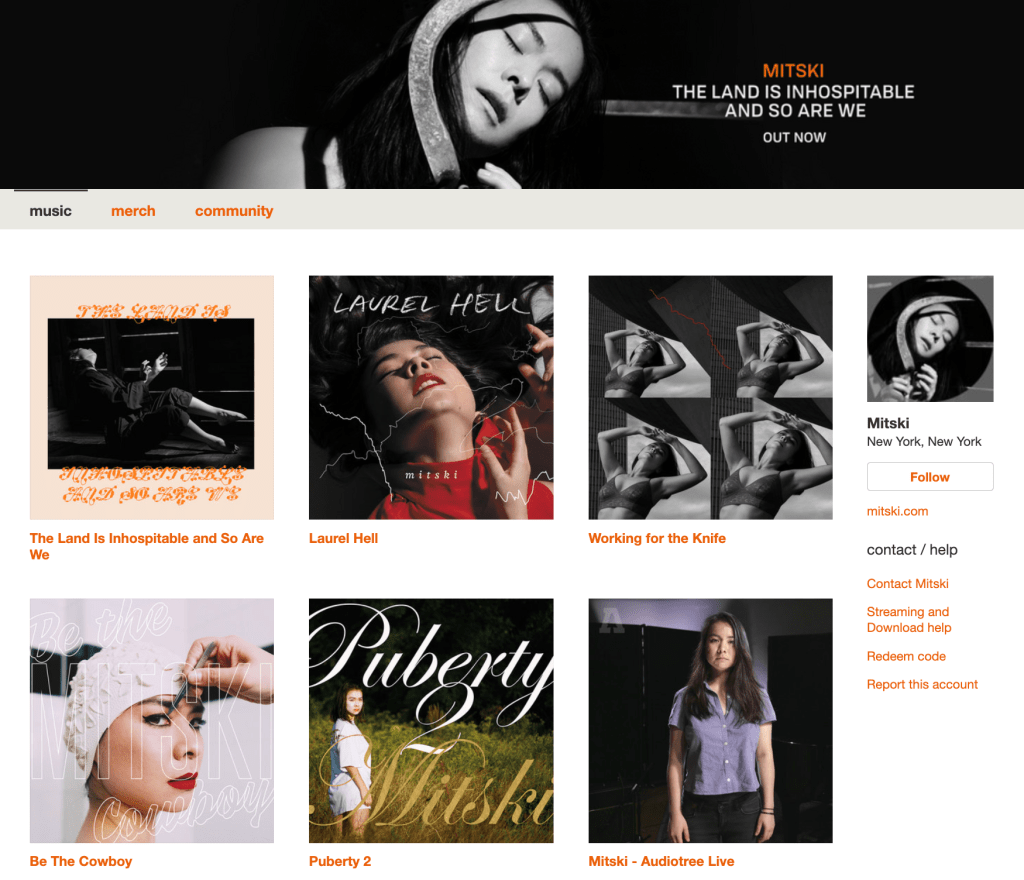
Lastly, owned media is equally crucial for emerging artists. Mitski, known for her fiercely loyal fanbase, leverages owned media platforms like Bandcamp. Here, fans can directly support her work, and she can keep her releases personal and unique. Fans appreciate the direct connection, and Bandcamp’s model allows Mitski to control the sales and presentation of her music, reinforcing her authentic persona.
How Can You Know What’s Working & What’s Not?
Tracking success is key in music marketing. Artists, like other businesses, need to measure which PESO elements are driving engagement and fan growth. Here are some ways artists can gauge their performance in each area.
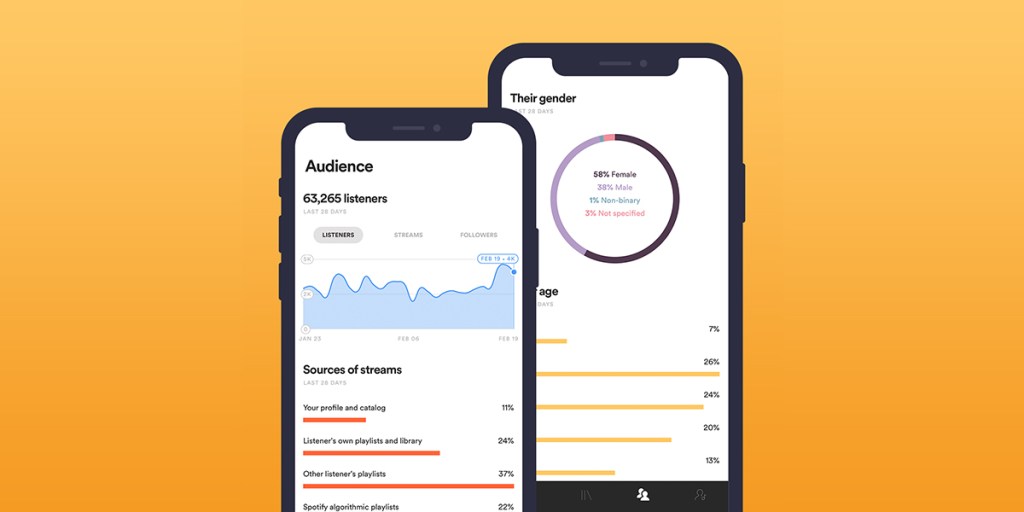
Data Analytics with Spotify for Artists & YouTube Insights: For streaming platforms like Spotify or YouTube, artists have access to detailed metrics. Let’s say an artist releases a new song and notices it spikes in specific cities; they can then use this data to plan future tours or promotional campaigns where interest is highest. Artists can use Spotify for Artists to understand where their songs are most popular, tracking the success of each release. When a particular city shows higher engagement or streaming rates, they can prioritize tour stops there. Similarly, YouTube insights reveal what songs are keeping listeners engaged, informing which singles might be worth promoting further. Additionally, by observing patterns in listener demographics and engagement times, artists can fine-tune their release strategies, potentially timing new songs to coincide with peak listening hours or days when engagement is highest. This targeted approach not only helps maximize exposure but also strengthens an artist’s presence in specific regions, paving the way for even more personalized marketing efforts and loyal fan connections.
Testing Paid Media Campaigns on Instagram: This is a powerful way for artists to refine their marketing strategies and maximize their return on investment. Instagram’s advertising platform offers artists various options to promote their music, events, and merchandise. By running controlled tests, artists can gain valuable insights into what resonates with their audience. Artists can use A/B testing to optimize their ad formats, audience targeting, and campaign objectives. For example, an artist can test a still image of their album cover against a video of them performing, to see which format engages more listeners. By experimenting with audience targeting, artists can refine their reach and make informed decisions that drive both engagement and loyalty among their fans.
Using Fan Feedback on Social Media: Real-time feedback from fans is invaluable; when artists post teasers on platforms like Twitter or TikTok, they can monitor reactions, adjust their messaging, or even scrap ideas that don’t resonate. If fans express excitement over a particular lyric or melody snippet, the artist knows it’s worth pushing that feature in other PESO categories.

Final Thoughts
The PESO model offers artists a strategic, flexible approach to navigating the modern music landscape. With paid, earned, shared, and owned media, artists of all sizes can maximize their reach, build a devoted fan base, and showcase their creativity through platforms they control. As we’ve seen through examples from Phoebe Bridgers’ haunting visual ads to Mitski’s direct-to-fan approach, PESO is not just a marketing tool, but a means to forge genuine connections with listeners. By experimenting with various PESO strategies and using fan feedback to refine their approach, artists can adapt to changes, expand their audiences, and grow sustainably in an increasingly digital world. For emerging artists, the PESO model is a pathway to brand building and audience engagement that doesn’t require the resources of a major label – just a little creativity, insight, and dedication.
References:
Bagley, J. (n.d.). Why Everyone is Talking About the PESO Model. Lead Forensics. Retrieved October 29, 2024, from https://www.leadforensics.com/blog/why-everyone-is-talking-about-the-peso-model/
Corley, S. (2020, June 30). A/B Testing Ideas for Social Media Ads. Diagram. Retrieved October 29, 2024, from https://www.wearediagram.com/blog/a/b-testing-ideas-for-paid-social-media-ads
Council Post: The PESO Model Turns 10: How To Apply It In Your Communication Strategies. (2024, July 9). Forbes. Retrieved October 29, 2024, from https://www.forbes.com/councils/forbesbusinesscouncil/2024/07/09/the-peso-model-turns-10-how-to-apply-it-in-your-communication-strategies/
How Do Spotify & YouTube Benefit Artists? (n.d.). Soundwave. Retrieved October 29, 2024, from https://www.soundon.global/seo/forum/spotify-youtube-for-artists?lang=en
Paine, A. (2021, May 4). Music Week. Music Week. Retrieved October 29, 2024, from https://www.musicweek.com/labels/read/phoebe-bridgers-on-the-punisher-campaign-and-her-label-launch-with-secretly-group/083174
Tyler, A. (2023, June 15). Social media for musicians: Find your fit and grow your fanbase. Bandzoogle. Retrieved October 29, 2024, from https://bandzoogle.com/blog/social-media-for-musicians-find-your-fit-and-grow-your-fans
What is the PESO Model for Marketing? (n.d.). Brilliant Metrics. Retrieved October 29, 2024, from https://www.brilliantmetrics.com/knowledge/blog/what-is-the-peso-model-for-marketing/
· · ─ ·☽𖤓☾· ─ · ·
Thank you for reading and I’ll see you next week for another dose of advertising alchemy! -Adie
 Adie’s Advertising Alchemy
Leave a comment