
Welcome back to Adie’s Advertising Alchemy, where we’re diving into the complex and often controversial world of ethical advertising. This week, I’m exploring a question that’s on every marketer’s mind is: How do you balance being bold and being ethically responsible? To grab attention, brands sometimes push boundaries, as we’ve seen with companies like Benetton and Apple. But what separates a powerful statement from a controversial flop? Is taking these risks worth it? And how can companies navigate ethical concerns while pursuing their business goals?
Pushing Boundaries & Finding The Sweet Spot
In advertising, pushing boundaries refers to creating content that challenges conventional norms, provokes thought, or stirs emotion (Bye Bye, Boundaries: Push Your Brand’s Marketing To The Next Level, 2021). While bold ads can make a brand stand out, they can also backfire if they’re seen as insensitive or exploitative. The trick is knowing where that line is – and whether to cross it.
To better understand the implications of pushing boundaries, we can look at some iconic examples from brands that took risks and the outcomes of those decisions.
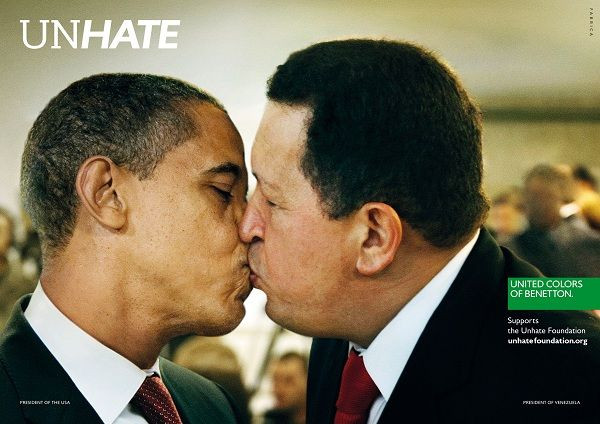
The Italian clothing company United Colors of Benetton became notorious for its shock advertising in the ‘80s and ‘90s. Using provocative images to highlight social and political issues. Notable campaigns, such as the “Unhate” ad, featured digitally altered images of world leaders, including Pope Benedict XVI kissing Ahmed Mohamed el-Tayeb, to promote messages of tolerance and acceptance (Kantar, 2019). Ads depicting topics like AIDs, racial discrimination, and war were intended to make viewers uncomfortable and spark dialogue. However, critics accused the brand of exploiting serious issues to sell products. So, was it effective? I would say yes, in terms of visibility. But ethically, it walked a fine line, leading to debates on whether the brand was genuinely advocating for social change or using controversy as a marketing tool. The boldness of Benetton’s advertising often generated discussions on the ethics of using sensitive topics for commercial gain, raising questions about the true intent behind such provocative marketing strategies.
If you haven’t seen Apple’s groundbreaking ad from 1984, it’s worth a watch. The commercial, which aired during the Super Bowl, introduced the Macintosh computer as a revolutionary device that would challenge conformity. It featured a dystopian scene reminiscent of George Orwell’s novel 1984, portraying Apple as a company that defied norms and championed creativity. This ad didn’t just sell a product; it symbolized a movement. Apple’s rebellious image made the boldness feel authentic, resonating deeply with viewers who craved something different in the tech world (Austerlitz, 2024). The success of this campaign illustrates how pushing boundaries can work wonders — when it aligns with a brand’s identity. Watch it here.
To determine whether an advertisement has crossed the line, companies can ask themselves some key questions to assess the ethical boundaries of their campaign. Here are a few questions companies can consider to ensure their ad remains impactful without being offensive or controversial.
- Does this ad reflect our company’s core values and mission? If the content doesn’t resonate with the brand’s established identity, it may come off as disingenuous or purely opportunistic.
- Does this message align with the values, sensitivities, and expectations of our target audience? Even if a message is bold, it should still reflect the values of the audience.
- Are we treating the topic with the depth and seriousness it deserves, or are we oversimplifying it? If the ad appears to trivialize serious topics, it risks backlash. Brands need to show they understand the complexity of the issue.
- Could any part of this campaign offend or alienate certain groups? Would I be comfortable showing this ad to someone who might be affected by the issue being discussed? Considering the perspectives of diverse groups helps avoid unintended harm. Using shock value can sometimes come off as insensitive if not done carefully.
- If the ad is met with criticism, do we have a plan to respond appropriately? Are we prepared to acknowledge mistakes and take corrective action? Even well-intentioned campaigns can face criticism.
- Does this ad reflect ongoing efforts and initiatives beyond just a marketing campaign? If an ad speaks to social causes, consumers expect the brand to follow through with genuine actions.
These questions can help brands navigate the fine line between making a bold statement and crossing into controversy, ensuring their message is not only impactful, but also ethically responsible.
Balancing Ethics & Business Goals in Global Advertising
When brands operate in a global marketplace, they face the challenge of balancing ethical considerations with the need to achieve business objectives. Different cultures have different norms, and what’s acceptable in one region may not be in another.

For example, launched in 2004, Dove’s “Real Beauty” campaign aimed to challenge narrow beauty standards by featuring real women of various shapes, sizes, and ethnicities. The goal was to redefine beauty and inspire confidence, rather than just sell soap. The campaign is often praised for promoting body positivity and making inclusivity part of the brand’s identity. By aligning their business goals with a broader social movement, Dove found a way to resonate with their audience while also being ethically mindful. However, even Dove has faced criticism over inconsistent messaging in some markets, demonstrating that global campaigns must be culturally sensitive and authentic to maintain credibility.
Is Pushing Boundaries Good For Brands? Yes – But Only If Done Right
Pushing boundaries can be good for brands, but the context and execution matter; if an ad is perceived as a genuine effort to spark conversation or advocate for change, it can bolster a brand’s image. But if it comes off as a marketing ploy, it can cause significant harm.

In 2019, Gillette released an ad that addressed toxic masculinity, encouraging men to “be the best” they can be by challenging harmful behaviors. The ad sparked mixed reactions—some praised the brand for addressing a pressing issue, while others accused it of virtue signaling (Gillette Faces Backlash and Boycott Over ‘#MeToo Advert’, 2019). What made the ad noteworthy was how it aligned with Gillette’s long-standing slogan, “The Best a Man Can Get.” It was a bold step that fit the brand’s identity, sparking important conversations around modern masculinity.
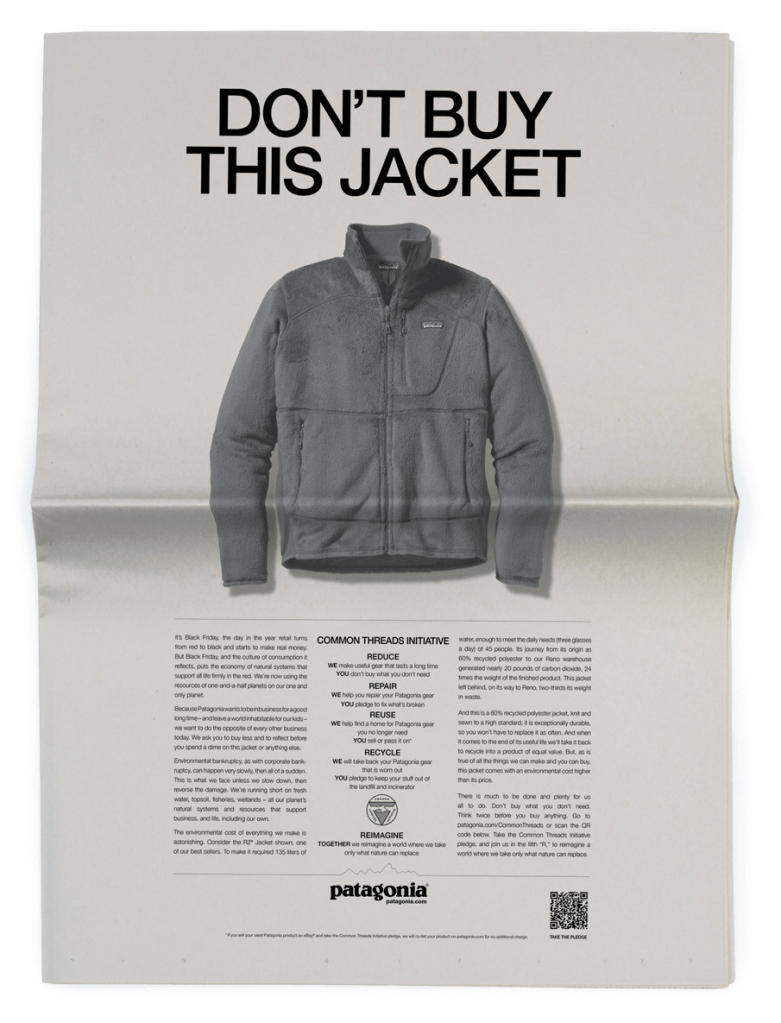
When Patagonia launched the “Don’t Buy This Jacket” campaign, it encouraged customers to reconsider buying new products unless they genuinely needed them. This radical message supported the brand’s sustainability ethos and environmental activism. Instead of merely using “eco-friendly” as a buzzword, Patagonia committed to the cause, and the message resonated. (Don’t Buy This Jacket. In 2011, Patagonia Ran a Full-Page… | by The Learning Curve Newsletter, 2023). The campaign not only raised awareness about overconsumption but also strengthened Patagonia’s reputation as a brand genuinely dedicated to environmental responsibility.
As seen in these examples, the boundary between being bold and being responsible in advertising is delicate and complex. Successful campaigns, like Patagonia’s “Don’t Buy This Jacket” and Gillette’s challenge to toxic masculinity, show that brands can push boundaries meaningfully when their messages align with core values and are backed by genuine actions. These examples demonstrate that balancing ethical considerations with business goals is achievable when brands commit to thoughtful and intentional advertising.
Ultimately, companies need to assess their messaging carefully, considering the potential impacts on various stakeholders. By asking the right questions, brands can navigate the fine line between making a powerful statement and crossing into controversy. In doing so, they not only grab attention but also contribute to important societal conversations, reinforcing their identity and building deeper connections with their audience.
Final Thoughts
The examples of Dove, Gillette, and Patagonia illustrate that pushing boundaries can indeed be beneficial for brands, but only if done thoughtfully. The key lies in understanding that boldness should be anchored in authenticity and genuine intent. Successful campaigns not only reflect a brand’s core values but also resonate with the sensitivities of diverse audiences.
When brands navigate the complexities of cultural differences and ethical considerations, they have the opportunity to spark important conversations and drive social change. However, they must tread carefully to avoid coming off as insincere or exploitative. Taking risks can be worthwhile if brands approach them with a commitment to social responsibility and a clear understanding of their audience’s values.
Ultimately, balancing boldness and ethical responsibility involves asking critical questions about authenticity, audience alignment, and the depth of engagement with serious topics. By doing so, companies can make powerful statements that not only capture attention but also contribute meaningfully to societal discourse, reinforcing their identity and forging deeper connections with consumers. In this intricate balance between innovation and ethics, brands that succeed are those that are willing to take a stand while ensuring their message is both impactful and respectful.
References:
Austerlitz, S. (2024, February 10). The Apple ’1984’ Ad Changed the Super Bowl Forever. The New York Times. Retrieved October 20, 2024, from https://www.nytimes.com/2024/02/09/arts/television/super-bowl-apple-1984-ad.html
Bye Bye, Boundaries: Push Your Brand’s Marketing To The Next Level. (2021, May 14). Forbes. Retrieved October 20, 2024, from https://www.forbes.com/councils/forbesbusinesscouncil/2021/05/14/bye-bye-boundaries-push-your-brands-marketing-to-the-next-level/
Celebre, A., Denton, A. W., & Guadagno, R. (n.d.). The good, the bad, and the ugly of the Dove Campaign for Real Beauty | Magazine issue 2/2014 – Issue 19 | In-Mind. The Inquisitive Mind. Retrieved October 20, 2024, from https://www.in-mind.org/article/the-good-the-bad-and-the-ugly-of-the-dove-campaign-for-real-beauty
Don’t Buy This Jacket. In 2011, Patagonia ran a full-page… | by The Learning Curve Newsletter. (2023, October 9). Medium. Retrieved October 20, 2024, from https://medium.com/@thelearningcurve/dont-buy-this-jacket-fc3bece754aa
Gillette faces backlash and boycott over ‘#MeToo advert’. (2019, January 15). BBC. Retrieved October 20, 2024, from https://www.bbc.com/news/newsbeat-46874617
Gillette’s ‘We believe: the best men can be’ razors commercial takes on toxic masculinity – video. (2019, January 14). The Guardian. Retrieved October 20, 2024, from https://www.theguardian.com/global/video/2019/jan/15/new-gillette-ad-tackling-toxic-masculinity-receives-harsh-backlash-video
Kantar, S. (2019, July 26). ‘A grave lack of respect’: When Benetton whipped up a storm with ‘Unhate’. Campaign. Retrieved October 20, 2024, from https://www.campaignlive.co.uk/article/a-grave-lack-respect-when-benetton-whipped-storm-unhate/1591036
United Colors of Benetton: A History of Shocking Ads and Social Commentary. (2024, May 7). Brandvertising. Retrieved October 20, 2024, from https://www.brandvertising.ch/2024/05/united-colors-of-benetton/
· · ─ ·☽𖤓☾· ─ · ·
Thank you for reading and I’ll see you next week for another dose of advertising alchemy! -Adie
 Adie’s Advertising Alchemy
Leave a comment